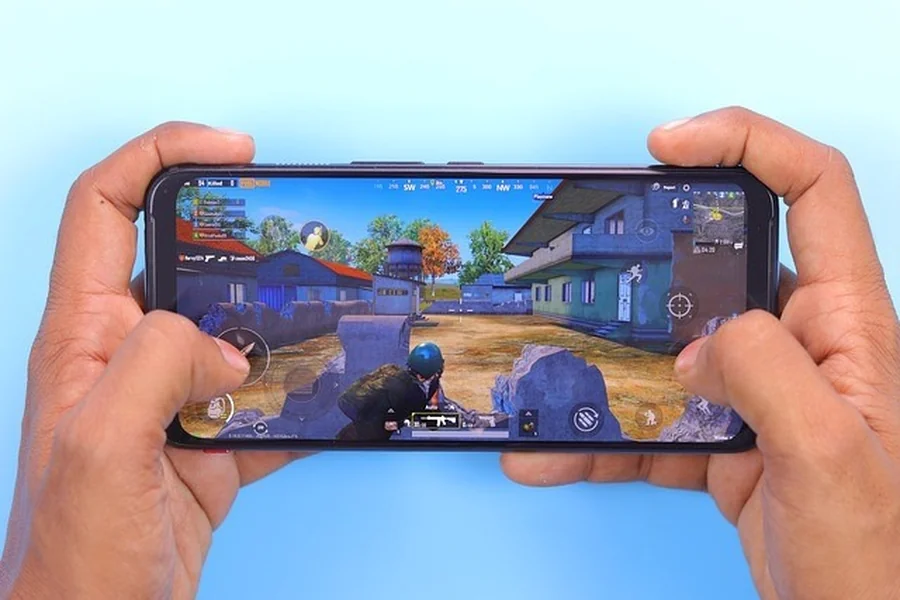
The Simplicity of Solitaire: Why It Still Beats Modern Mobile Games
Solitaire has quietly remained one of the most enduring games of all time. With its origins dating back to the 18th century, it has adapted over centuries and still finds a place on modern devices. Even in the current age dominated by mobile games with hyper-realistic graphics, in-app purchases, and complex multiplayer mechanics, Solitaire continues to draw players in. At a glance, it might seem outdated, simple, or even too familiar, but that’s exactly where its charm lies. Its elegance, clarity, and meditative quality provide something very few modern games can replicate.
Unlike many flashy mobile titles that flood app stores today, Solitaire doesn’t rely on sensory overload to capture your attention. There are no loot boxes, no timers pressuring you to return in four hours, and no currency to collect. You just launch it and play now, with no friction, no ads locking your screen, and no forced interactions. In this era of digital noise, Solitaire’s quiet presence is a welcome escape.
Nostalgia Meets Functionality
Many people’s first experience with digital games came in the form of Solitaire, often on a Windows PC. That initial click-and-drag interaction between cards opened up not only a new way to game but also a new way to relax. Solitaire quickly became more than just a card game—it became a ritual. You could play now, in between work tasks or during a lunch break, without any setup or prep. Its rules were intuitive enough that no tutorial was needed, yet the gameplay was deep enough to keep people coming back.
The nostalgic value adds a layer of comfort. Even now, when people scroll through the endless choices in app stores, they often stop and search for something familiar. Amid titles that push for constant engagement, the pull of a solitary card game that asks for nothing more than a few minutes of focus feels almost revolutionary. It reminds players of a time when games didn’t ask for their wallet or require an internet connection. Solitaire simply existed to be played.
Modern mobile games often try to hook players through elaborate reward systems or daily login bonuses. They rely on artificial progression to make players feel as though they’re accomplishing something. But in Solitaire, the satisfaction comes from the experience itself—making the right move, clearing the board, or working through a seemingly impossible setup. It’s a pure form of satisfaction, untainted by manufactured rewards or social comparisons.
The Mental Workout Without the Pressure
There’s something uniquely calming about Solitaire, and at the same time, it’s mentally stimulating. The player must think a few steps ahead, analyze their options, and decide when to make key moves. Unlike many mobile games that thrive on fast reaction times or chaotic visuals, Solitaire is slower-paced and more deliberate. That pace is a big part of why it’s more sustainable as a daily habit than most modern mobile offerings.
Many newer games create stress through their mechanics. Whether it’s a countdown timer, online opponents, or high-speed action, they often elevate your heart rate more than they provide clarity. Solitaire does the opposite. It promotes concentration, mindfulness, and strategy without the penalty of failure being overwhelming. If you don’t win a round, you simply start a new one. You can play now, lose, and move on without the sting of defeat being amplified by rankings, ratings, or competitive ladders.
Solitaire’s simplicity is a kind of mental detox. In a landscape where so many games want you to be reactive and social, this one encourages solitude and thoughtfulness. There’s no rush, no real-time enemy, no need to connect your social account. You can open the app, play now, and focus solely on the task in front of you. That kind of uninterrupted experience is rare and increasingly valued by people trying to take breaks from overstimulation.
It’s also worth mentioning that Solitaire is incredibly forgiving in its structure. Many versions offer undo options or hint systems that help you learn rather than punish you for mistakes. Instead of locking content behind a paywall, most Solitaire apps keep everything accessible from the start. That openness builds trust and loyalty, whereas many newer games feel more like slot machines wrapped in shiny graphics.
Accessibility and Minimalism That Transcends Trends
While trends in gaming come and go, Solitaire stays the same because it doesn’t depend on gimmicks. Its core gameplay hasn’t changed in decades, and that’s its greatest strength. You can download it on any device, play now, and not worry about learning curves, internet requirements, or battery drain. Its minimal interface works perfectly on both small and large screens, and its low storage footprint makes it accessible even on older phones.
That minimalist design also contributes to better focus. Modern mobile games are filled with pop-ups, upgrades, and side missions. Solitaire offers one screen, one goal, and one set of rules. You can step away and return at any time without forgetting where you left off. You don’t need to remember storylines or strategies spanning weeks. Each session is self-contained, which makes the game ideal for both short breaks and extended play.
Additionally, Solitaire is virtually immune to the age-related alienation common in modern gaming. Whether you’re a teenager discovering it for the first time or a grandparent revisiting a classic, the learning curve is almost nonexistent. Everyone can play now and feel equally capable. That universality is rare in gaming today, where many titles cater only to specific demographics or require in-depth knowledge of gameplay systems.
Solitaire’s appeal is also global. No matter where you are, the structure of the game remains consistent. There are no language barriers, cultural adjustments, or server issues. You open the app, shuffle the deck, and begin. This reliability is comforting in a world where so much of mobile gaming feels unpredictable and monetized.
A Reminder of What Gaming Used to Be
One of the biggest reasons Solitaire still resonates is that it feels honest. There are no tricks, no manipulative game design practices, and no pressure to spend money. Its reward is not a badge or currency—it’s the quiet moment of accomplishment when the cards align. You can play now without obligation, pressure, or interruption.
The evolution of mobile gaming has brought many impressive innovations, but it has also created fatigue. Too many options, too many interruptions, and too little actual gameplay have made people nostalgic for simpler times. Solitaire fulfills that need. It offers clarity, solitude, and enjoyment without strings attached.
It’s not trying to be more than what it is, and that is precisely its power. In a digital world that often asks for too much attention, Solitaire asks only for a few moments. And for those moments, it gives you back something many games can’t—peace.